Bookmark

Storing Vegetables

Storing Vegetables

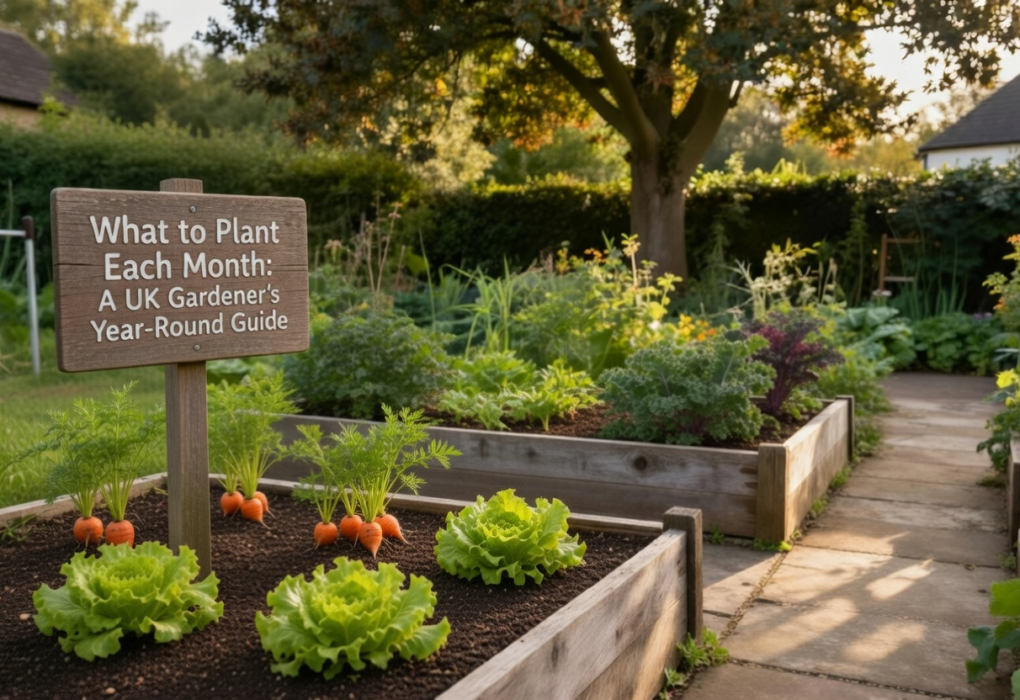
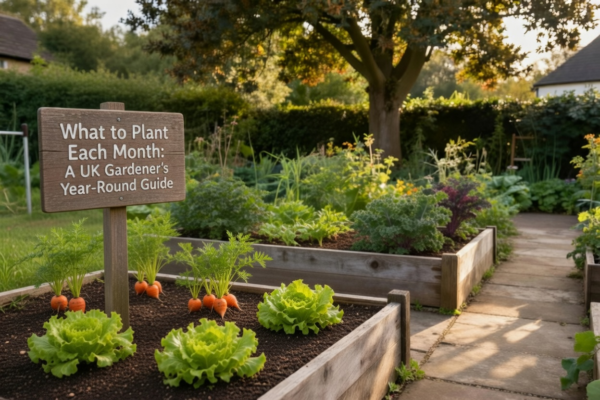
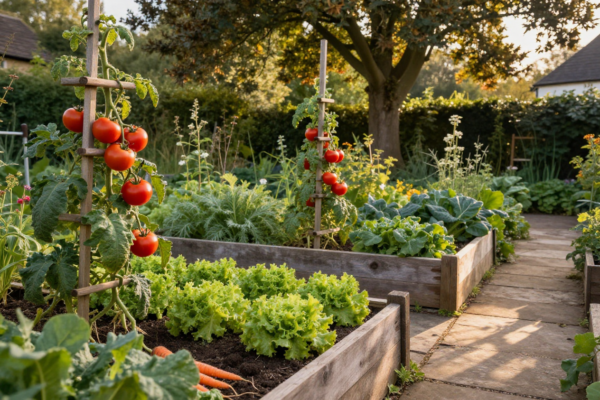
The length of time that vegetables may be successfully stored depends on the type of vegetable and storage conditions. The main cause of deterioration is usually water loss; the higher the original water content of the vegetable type, the less time it may be stored. For example, leafy vegetables such as lettuces have a very high water content and may only be stored for a few days, whilst bulbs of onions and garlic may be kept for many months.

Root vegetables may also be stored for many months; potatoes may be kept in a lightproof sack away from frost, whilst carrots and beetroot should be kept in boxes of moist sand in a cool shed or cellar.

Always avoid storing damaged or diseased vegetables as they will soon begin to rot.

Many vegetables also respond well to freezing; blanch them in steam or boiling water, and then cool quickly before freezing. This technique may be used for a wide range of plants, including asparagus, beans, carrots, courgettes, peas, new potatoes, swedes and tomatoes. Cabbages, celery and turnips may also be frozen after slicing, dicing or shredding.